Paint
Correction, stopped by the gauge.
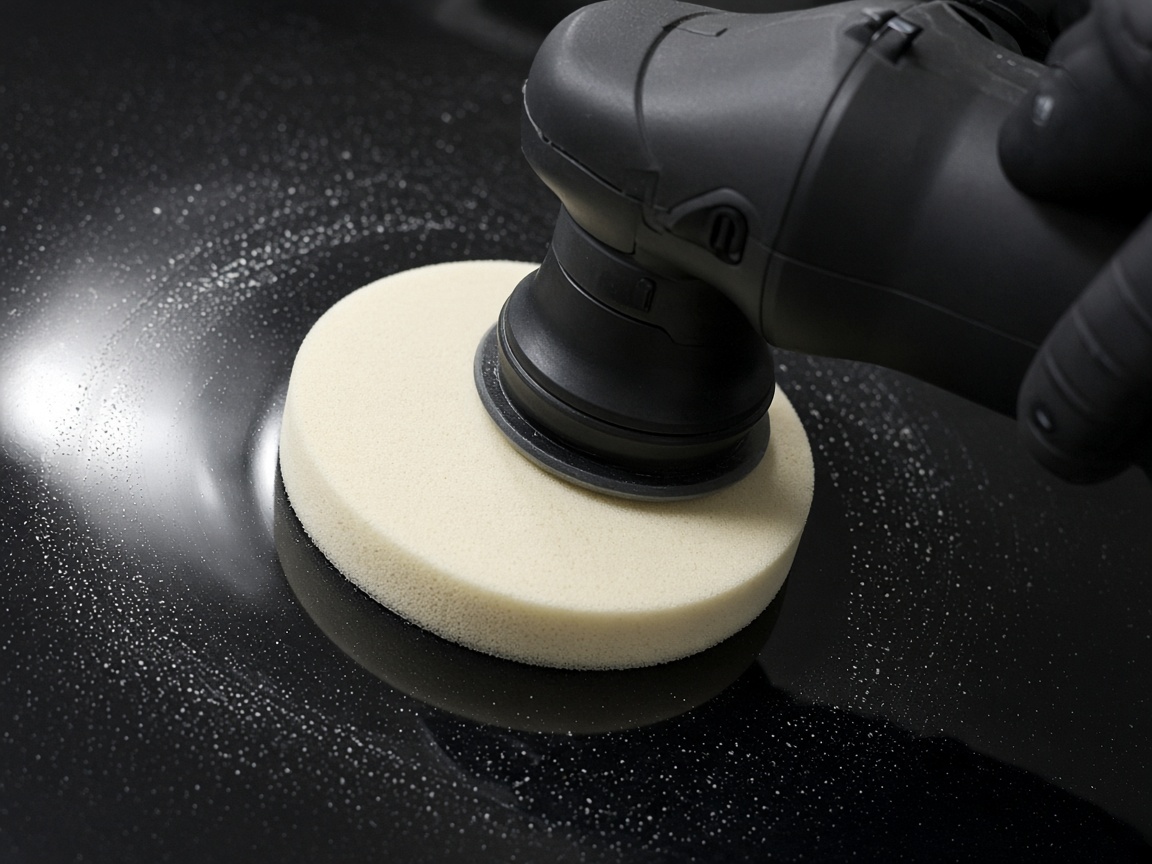
Polish removes a few microns of clear coat so the surface around a scratch sits level. Clear coat does not grow back. The gauge decides how far we go.
The order of work
- Map Photographs at intake, then a thickness reading on each panel before any compound. A panel that reads far above its neighbours is written down as a likely respray and treated carefully.
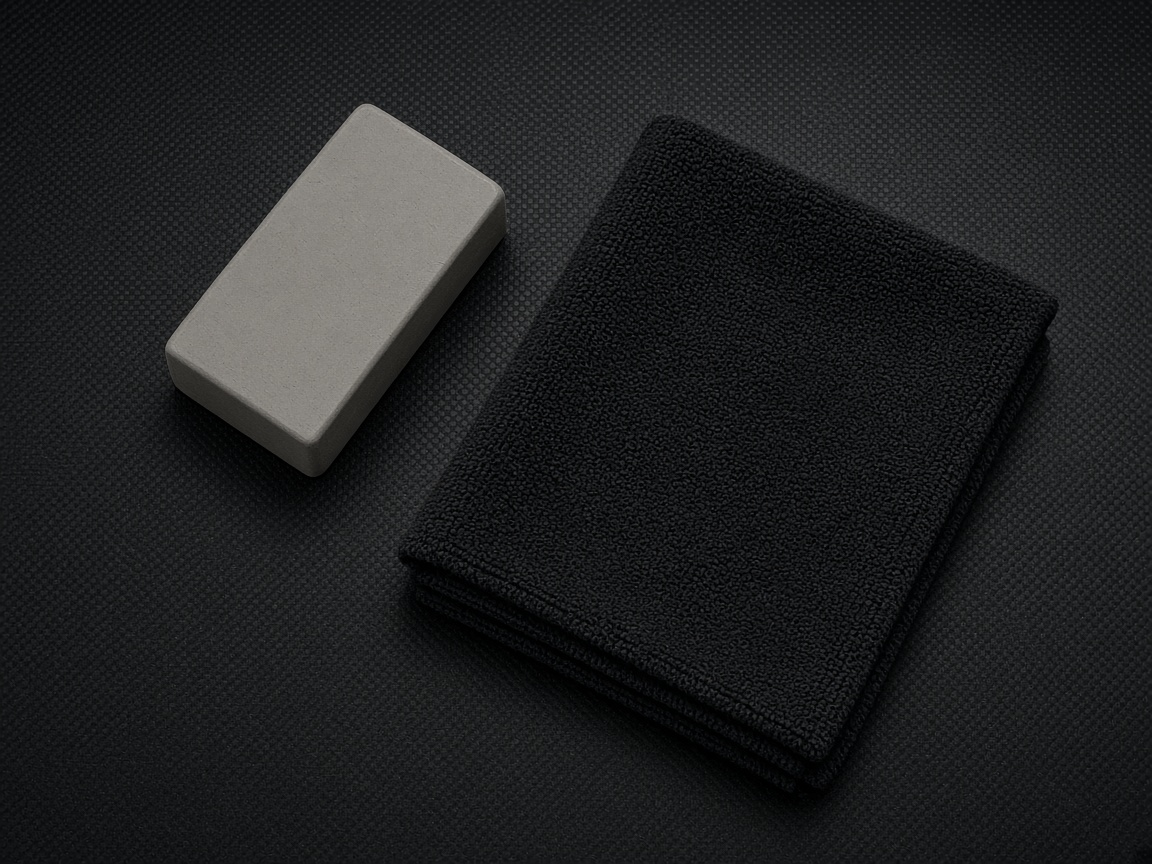
- Decontamination Wash, iron and tar removal, then clay. The clay is for bonded grit. It is not a polish.
- Stage 1 One refining pass. Wash marring and light haze. A scratch your nail catches stays.
- Stage 2 A cutting pass and a refining pass. This is the line on the build sheet. Most wash swirls on sound clear coat leave. Deep chips do not.
- Stage 3 One more refining pass, only where the map shows enough clear coat. We do not wet-sand. If the reading says stop, we stop, and that panel is listed on the job sheet.
Neglected clear coat that has gone milky through, or that is peeling, is not corrected and not coated. There is nothing honest left to level. A stone chip through to primer needs paint, somewhere else, before film or correction will close it. We will not promise a black car with no holograms if the clear coat is too thin to finish.
Correction tariff
| Build | City car | Sedan | SUV | Sports |
|---|---|---|---|---|
| Stage 1, refine | NIS 1,650 | NIS 1,980 | NIS 2,480 | NIS 2,720 |
| Stage 2, cut and refine | NIS 2,360 | NIS 2,950 | NIS 3,780 | NIS 4,250 |
| Stage 3, where the gauge allows | NIS 4,130 | NIS 5,310 | NIS 6,610 | NIS 7,790 |
Stage 1 is often the same day. Stage 2 is one to two days. Stage 3 is quoted in days after the map, not before.